

HERB-SALAD ROCKET-ARUGULA
$3.50
SEEDS PER PACK: 2000
In stock
Eruca sativa
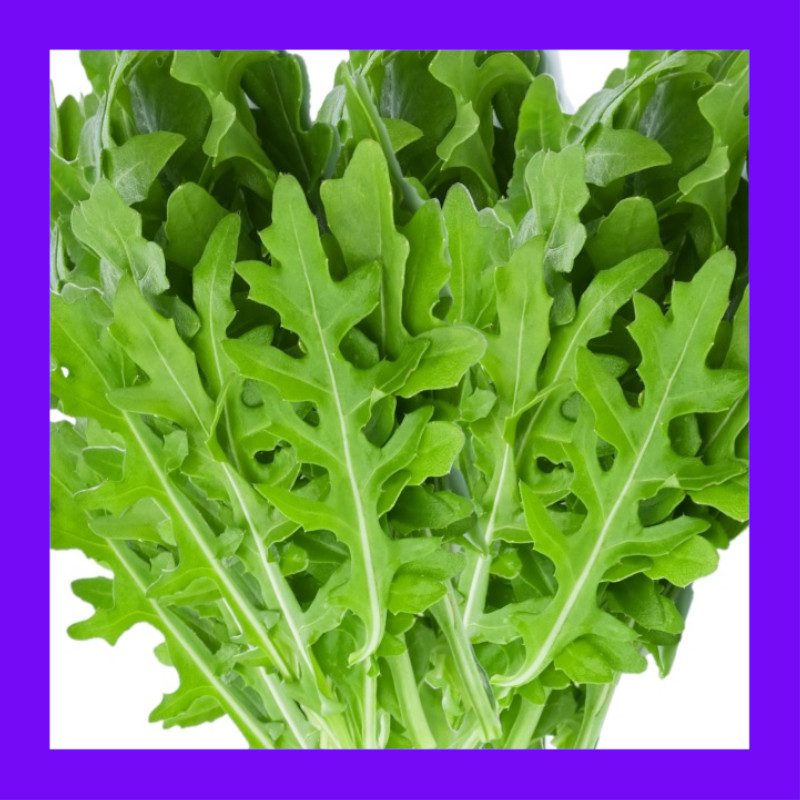
HERB-SALAD ROCKET-ARUGULA is a nutritious low growing annual salad green, which features ‘dandelion-like’ juicy, long, lobular leaves with green veins. Young plants feature plain light green leaves, which seem identical to that of spinach. These tender leaves have a sweet, nutty, taste. The Romans used rocket mixed with herbs such as lavender & dill, and put them in special sauces. Salad Rocket is a great source of iron, potassium, magnesium, calcium, beta-carotene, sodium, dietary fibre & vitamins A, B, C and E.
Arugula is a fast-sprouting cool-season crop, thriving in temperatures between 10°C to 20°C (50°F to 68°F). It’s best to plant arugula in early spring or late summer, avoiding extreme heat. Because Salad Rocket grows so quickly it can be ready to harvest in 30 days from planting, so consider planting in succession for a continual harvest.
How to Grow SALAD ROCKET-ARUGULA
To grow Salad Rocket-Arugula seeds you will need to follow these general rules:
- Find a sunny location with well-drained soil and plant directly in the garden. They don’t transplant very well.
- Check the pH of the soil is slightly acidic to neutral 6 – 7pH.
- Scatter seeds over soil and lightly cover so they are roughly 1/4 inch deep and 1 inch apart.
- Gently water with a mist sprayer
- Water the seeds regularly, keeping the soil consistently moist so it is damp and not waterlogged.
- Germinates within 7 – 10 days at which point you can thin out the seedlings to 4-6 inches apart when they reach about 2 inches tall.
- Harvest leaves when young and tender. Roughly when they are about 3-4 inches tall, cutting back to about 1 inch above the soil line.
- Repeat the planting and harvesting process for a continued supply of fresh, spicy salad greens. Regular harvesting encourages continuous growth and prevents the plant from bolting.
Heritage of Salad Rocket-Arugula
Arugula origins can be traced back to the Mediterranean region, & boasts a rich heritage deeply intertwined with ancient culinary traditions, where its peppery leaves have been cherished for centuries, contributing to a global culinary legacy that continues to thrive today.
SHOP ABSeeds
SHOP Garden Supplements
Category Colour Guide
Planting Guide for Australia
| Plant Height (cm) | 20-60 cm (8-24 inches) |
|---|---|
| Season of Interest | Spring / Autumn |
| Temperature Range | 10 - 20°C (50 - 68°F) |
| Annual / Perennial / Biennial | Annual |
| Frost Hardy / Tender | Hardy |
| Full Sun / Part Sun / Shade | Full sun to partial shade (4-6 hours of sunlight per day) |
| Sow Direct / Raise Seedlings | Sow direct |
| Soil | Well-draining soil, prefers fertile loamy soil |
| pH | 6 – 7 |
| Soil Temperature | 10°C to 20°C (50°F to 68°F) |
| Seed Preparation | No special preparation required |
| Sowing Depth | 1.3 cm (0.5 inches) |
| Plant Spacing | 2.5-5 cm (1-2 inches) apart |
| Row spacing | 20-30 cm (8-12 inches) |
| Watering | Keep soil consistently moist |
| Germination Time (Days) | 7-10 days |
| Harvest Time (Days) | 21-30 days (for young leaves), continuous harvesting encouraged for prolonged production |
| Good Companion Plants | Lettuce, Radishes, Carrots, Basil, Dill, Nasturtiums, Cucumbers |
| Bad Companion Plants | Strawberries, Cabbage Family (Broccoli, Cauliflower, Cabbage), Beans, Tomatoes, Onions and Garlic |
| Pests | Flea Beetles, Cabbage Worms |
| Diseases | Downy Mildew, Powdery Mildew |